Dispatch — Summer 2026
The British Knew First
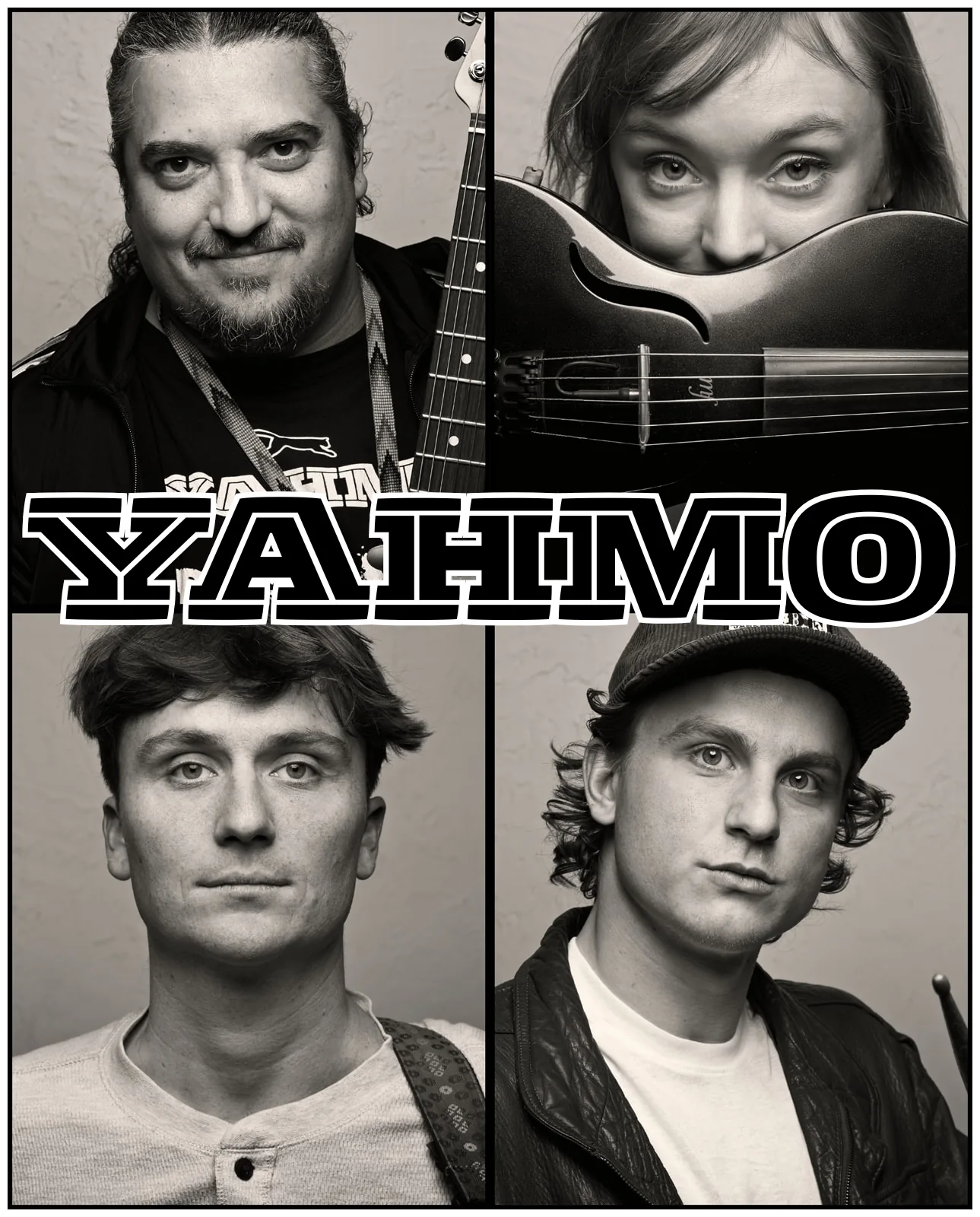
In 1834, six farm workers in a Dorset village were transported to Australia for daring to organize. Their festival now draws the most politically serious artists in the world. This summer, YAHMO was one of them.
The Tolpuddle Martyrs' Festival is not a music festival that happens to have politics. It is a political event that happens to have music — organized by the Trades Union Congress in the Dorset village where, in 1834, six agricultural workers were arrested and sentenced to transportation to Australia for the crime of forming one of Britain's first trade unions. Eight hundred thousand people signed petitions for their release. Thirty thousand marched down Whitehall. It took years, but they were pardoned. The village of Tolpuddle has been sacred ground to the labor movement ever since. Billy Bragg plays here. Emmanuel Jal plays here. The artists invited to this stage are chosen for what they stand for, not merely what they sound like.
This summer, Yahmo Ahqua performed at Tolpuddle. An Indigenous peoples advocate and protest musician from Chico, California, delivering guitar-forward blues to an audience that traveled to Dorset specifically because they believe the music is inseparable from the message. The fit was exact. The response was immediate.
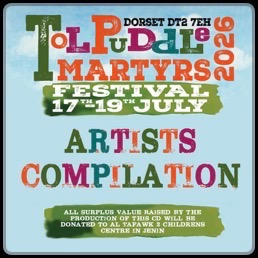
"War Funk" — YAHMO's track — appears on the festival's official compilation album, a curated document of the artists who left the strongest mark at Tolpuddle 2026. The album ran as a limited fundraiser. Every penny of surplus from its production was donated to Al-Tafawk Children's Centre in Jenin, in the northern West Bank — a center that had already been raided and destroyed by Israeli forces and had to be rebuilt from nothing. The fundraiser is closed. The money went. This is not a vanity compilation. It is protest music doing exactly what protest music is supposed to do.
There is an old pattern in this. Jimi Hendrix left New York in 1966 virtually unknown and was a London sensation four months later. Muddy Waters arrived in the UK in 1958 and stunned audiences who had never heard electric blues with that kind of weight. The British Invasion was, in no small part, the UK sending American Black roots music back to an American audience that had ignored it. The playbook is proven: go where they already understand it. Earn the credential. Come home carrying it. When Hendrix played Monterey in June 1967, America finally paid attention — because England had spoken first. Yahmo Ahqua is on that road.